Diets Heavy in Ultra-processed Foods Linked to Earlier Death: Study
July 8, 2024
By Dennis Thompson HealthDay Reporter
MONDAY, July 1, 2024 (HealthDay News) -- People who eat more ultra-processed foods are more likely to suffer an early death, particularly from heart disease or diabetes, a new study warns.
Older adults who consume higher amounts of ultra-processed foods are about 10% more likely to die than those who eat less processed foods, over an average 23-year follow-up.
In particular, soft drinks and highly processed meats like hot dogs, sausages and deli cold cuts are “most strongly associated with mortality risk,” said researcher Erikka Loftfield, an investigator with the National Cancer Institute (NCI).
“Eating a diet low in these foods is already recommended for disease prevention and health promotion,” Loftfield added in an NCI news release.
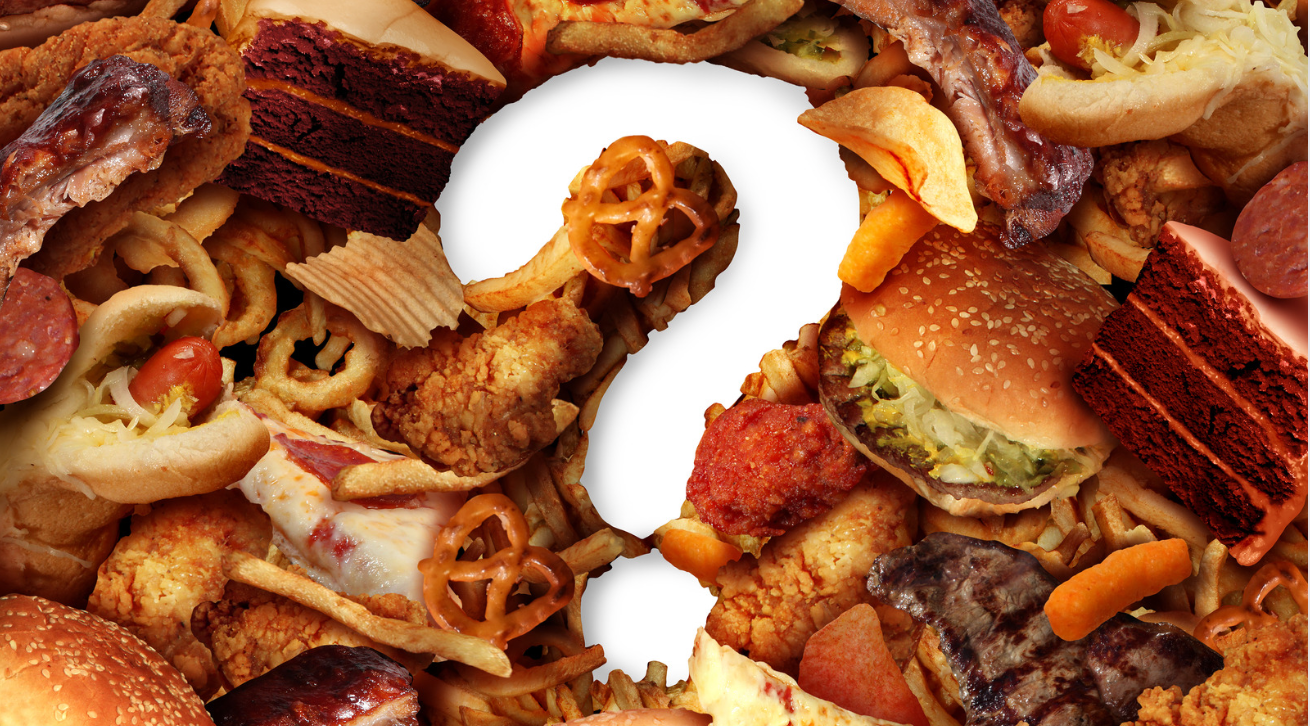
Ultra-processed foods are made mostly from substances extracted from whole foods, like saturated fats, starches and added sugars.
These products also contain a wide variety of additives to make them more tasty, attractive and shelf-stable, including colors, emulsifiers, flavors and stabilizers.
Examples include packaged baked goods, sugary cereals, ready-to-eat or ready-to-heat products and deli meat.
For this study, researchers analyzed data from more than 540,000 people ages 50 to 71 regarding their eating habits and their health. The data was gathered in the mid-1990s; more than half of the participants have subsequently died.
Even after accounting for other health risk factors, researchers found that people who consumed the highest levels of ultra-processed food were more likely to die early than people who ate the least.
Ultra-processed food specifically increased the risk of death related to heart disease or diabetes, but not cancer.
“Our study results support a larger body of literature, including both observational and experimental studies, which indicate that ultra-processed food intake adversely impacts health and longevity,” Loftfield said.
“However, there is still a lot that we don’t know, including what aspects of ultra-processed foods pose potential health risks,” Loftfield added.
Researchers presented the findings at the annual meeting of the American Society for Nutrition in Chicago. Such research should be considered preliminary until published in a peer-reviewed journal.
SOURCE: American Society for Nutrition, news release, June 30, 2024
ABC News' Sam Champion returned to " Good Morning America " on Wednesday after undergoing an emergency heart procedure. The weather anchor updated viewers on his health after undergoing a cardiac catheterization, a medical procedure used to diagnose and treat heart conditions, according to the National Heart, Lung and Blood Institute. "I'm sitting here, I feel fine … but I did have an emergency procedure," he said, adding that he wanted to share his story to raise awareness about heart health and how others can start a conversation with their own doctors.
ABC News' Dr. Tara Narula breaks down a new study that finds women who follow a Mediterranean diet will have a significantly lower risk of having a stroke.
Christopher "Kid" Reid, half of the hip-hop duo Kid 'n Play, is revealing he underwent a heart transplant, speaking about his health condition for the first time on " Good Morning America. " The rapper, who first gained fame in the 1980s and 1990s alongside collaborator Christopher "Play" Martin, spoke with "GMA" co-anchor Michael Strahan in a segment airing Thursday, sharing he was diagnosed with congestive heart failure after an emergency room visit last July. Reid said initially, he began experiencing fatigue and shortness of breath, which he said he attributed to getting older. "I think sometimes you kinda just chalk it up to, you know, 'I'm gettin' older,' you know, 'The road is harsh,'" he said. Eventually, when his symptoms intensified last summer, Reid said he visited an emergency room, where he received his diagnosis. Reid said he was first given medication to treat the condition, but at a three-week follow-up appointment, his cardiologist grew concerned. "He came in very swollen again, and that is a little unusual in somebody who's been started on treatment, for the swelling to come back that quickly," Erika Jones, Reid's cardiologist, told "GMA." That evening, instead of flying across the country for a performance as Reid had planned, Jones urged him to stay put and ran additional bloodwork. "The blood work confirmed my suspicion. It showed that his heart was failing, and it was starting to affect his other organs," Jones said. Reid said he received a call a few hours after his appointment, urging him to go to the emergency room, where he was rushed to the ICU. Reid was told by doctors that a heart transplant would be his only option, and he was placed on a transplant waitlist. Cardiothoracic surgeon Dr. Laura Dichiacchio, one of Reid's doctors, told "GMA" that Reid was placed on the transplant waiting list because it was "a kind of life or death situation." Dichiacchio described Reid as "warm" and "incredibly calm." Reid said eight days after being placed on the transplant waitlist, he received a call with the welcome news that he would get a new heart the following evening. Reid said he arrived for the surgery, and seven hours later, he had a new heart. Reid said he plans to cherish his second chance at life, saying, "This thing is ... a beautiful life. It's great. And, you know, I wanna be around for it." He added that he hoped to inspire others, particularly people of color, to put their health first and seek medical attention when things don't feel right. "A lot of times, we don't go because we don't want the bad news, or we too busy just hustlin', trying to make it from day to day," he said. "And we ... feel like we don't got time, or we'll get over it. Well, you might not." According to the Centers for Disease Control and Prevention, in the U.S., about 6.7 million adults aged 20 or older have heart failure, a condition that happens "when the heart cannot pump enough blood and oxygen to support other organs in your body." The CDC cites hypertension, diabetes, and coronary artery disease as common risk factors for the disease. According to the National Heart, Lung, and Blood Institute, heart failure is a serious condition that requires medical care. Treatment can include heart-healthy lifestyle changes such as lower sodium intake, regular physical activity, and limited alcohol consumption, as well as medication, devices such as a pacemaker, and heart surgery or transplant.
The body content of your post goes here. To edit this text, click on it and delete this default text and start typing your own or paste your own from a different source.
ABC News' Dr. Tara Narula breaks down a new study that looks at the potential connection between kids frequently being on devices and developing heart disease.
ABC News ' Dr. Tara Narula explains how doctors at Northwell Health in New York are using mammograms to help identify women at risk for heart disease.
ABC News' Dr. Tara Narula breaks down a new study showing that while deaths from heart attacks have dropped, heart failure and arrhythmias are on the rise.
A child with a mechanical heart valve has received a living donor valve for the first time. From GoodMorning America May 12, 2025
ABC News' Dr. Tara Narula shares what to know as doctors report seeing more strokes in patients under 45.
ABC News' Dr. Tara Narula explains the essential heart tests you should be getting now.